

10 Things to Do in Carcar City: Complete Heritage Town Travel Guide (2025)
Manly Florido · October 4, 2025 · 18 min read
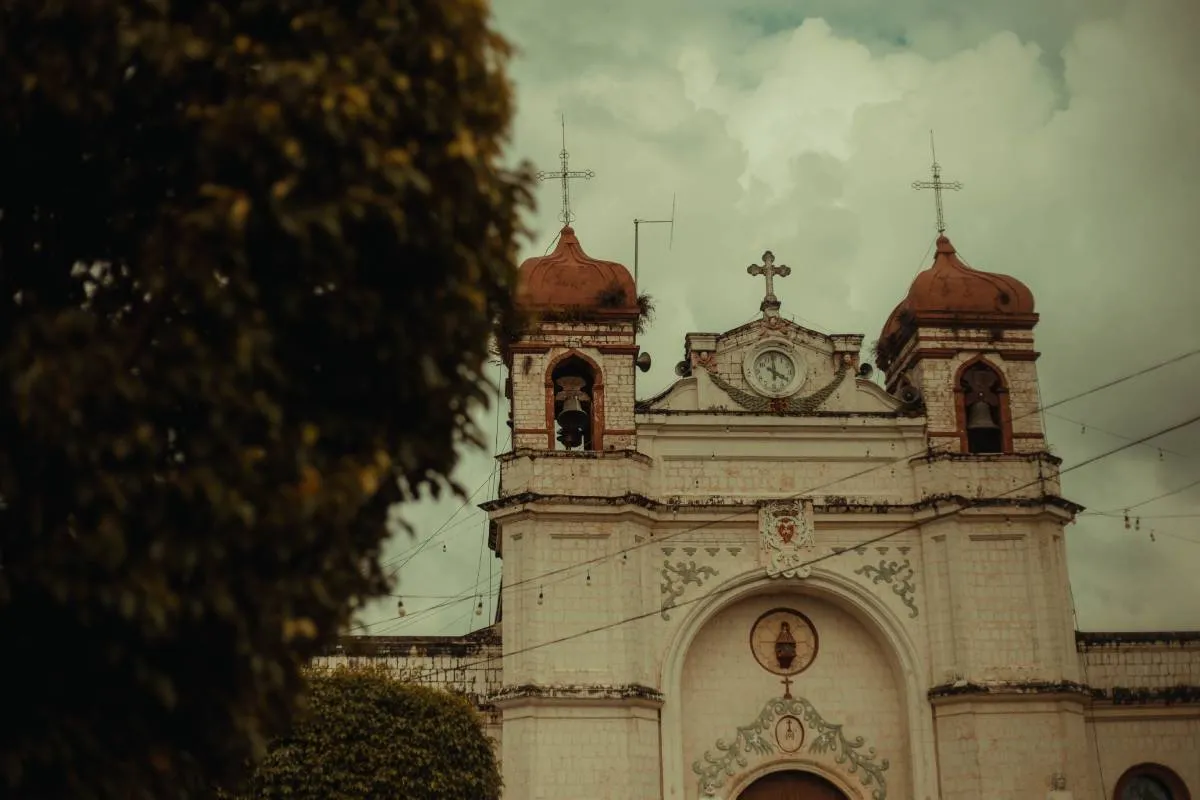
Nestled in southern Cebu, Carcar City offers a rare blend of rich Spanish colonial history, mouthwatering food traditions, and authentic Filipino culture. Known officially as “The Heritage City of Cebu,” this charming destination sits just 40 kilometers south of Cebu City but feels like stepping back in time to the 1800s.
Whether you’re a history buff, a foodie, or simply seeking an off-the-beaten-path adventure away from the typical tourist trail, Carcar has something special waiting for you.
Here are the 10 best things to do in Carcar City in 2025.
1. Taste the Famous Carcar Lechon at the Public Market
Duration: 1-2 hours
Best time: 9:00 AM - 12:00 PM
Budget: ₱200-400
No visit to Carcar is complete without trying its legendary lechon (roasted pig). What makes Carcar lechon unique is that vendors pour the natural pork drippings back over the chopped meat, creating an explosion of savory, garlicky flavor in every juicy bite.
Head to the back section of New Carcar City Public Market where you’ll find 8-15 lechon vendors. The best part? They offer generous free samples, so you can taste before buying.
What to order:
-
Half a kilo (₱200) is perfect for 2-3 people
-
Pair it with puso (hanging rice wrapped in coconut leaves) - ₱10-15 each
Pro tips:
-
Arrive before noon for the best selection
-
Try samples from multiple vendors before deciding
-
Ask for extra “sarsa” (drippings)
-
Eat at a nearby carinderia by ordering a drink (₱20-30)
Why it’s special: Carcar lechon is juicier than other Cebu versions and uses local herbs like patiotes that grow only in this region.
→ Read our complete Carcar Lechon buying guide
2. Explore the Iconic Carcar Rotunda
Duration: 15-30 minutes
Entrance: Free
Best for: Photos, quick stops, pasalubong shopping
The Carcar Rotunda is the heart of the city and one of its most photographed landmarks. This ornate circular monument features a gazebo with intricate details, topped with a statue of Mother America (representing the American colonial period) pointing the way for the Philippines.
At the four corners of the rotunda stand paired statues of men and women representing the different regions of the Philippines. It’s a beautiful example of American-era architecture dating back to the 1920s and narrowly escaped demolition during proposed road widening projects.
What to do here:
-
Take photos of the detailed architecture
-
Buy famous Carcar delicacies from surrounding vendors
-
Watch local life unfold - it’s a popular gathering spot
-
Start your heritage walking tour from here
Nearby vendors:
-
Mat-Mat’s Chicharon stall
-
Multiple ampao (rice crisp) sellers
-
Bocarillo (coconut candy) vendors
-
Fresh produce sellers
3. Visit St. Catherine of Alexandria Church

Duration: 30-45 minutes
Entrance: Free (donations welcome)
Mass schedule: Contact parish office
Dress code: Modest clothing required (cover shoulders and knees)
Built during the Spanish colonial period, this magnificent church dates back to 1599 when Carcar was first founded as a religious mission. The current stone structure was completed between 1860-1876 by Augustinian friars.
Architectural highlights:
-
Greco-Roman rectangular facade
-
Twin bell towers with unusual minaret-shaped design (resembling Muslim mosques)
-
Simple yet elegant interior with one central and two lateral naves
-
Original wooden pulpit and choir loft
-
Carved and painted geometric floral ceiling designs
-
10 clerestory windows for natural lighting
-
Statues of apostles in the front patio (recent additions)
The peaceful atmosphere inside offers a quiet moment for reflection away from the busy streets. Whether you’re religious or simply appreciate historical architecture, this church is a must-visit.
Photography tip: Best lighting for exterior photos is early morning (7-9 AM) or late afternoon (4-6 PM).
4. Discover Heritage Houses and Ancestral Homes
Duration: 1.5-2 hours (walking tour)
Entrance: Most are private residences (exterior viewing only)
Best time: Early morning or late afternoon (cooler weather)
Carcar City is one of the Philippines’ four official Heritage Cities (alongside Vigan, Silay, and Taal). The city has remarkably well-preserved Spanish and American colonial architecture with four officially declared heritage houses by the National Historical Commission.
Official Heritage Houses:
Mercado Ancestral House (Don Mariano Mercado House)
-
Two-story “bahay na bato” (stone house) painted Mediterranean blue
-
First level built in 1880s, second floor added in 1906
-
Declared Heritage House in 2009
-
Notable visitors: Senator Key Pittman, President Ferdinand Marcos
-
Currently not regularly open to public (private residence)
Don Florencio Noel-Filomena Jaen House (“Dakong Balay”)
-
Located at 312 Santa Catalina Street
-
Classic Spanish “bahay na bato” structure
-
Renovated around 1873
-
Features traditional capiz shell windows
Silva House
-
Well-maintained ancestral home
-
Spanish colonial architecture
-
Private residence (exterior viewing only)
Yap House
-
Replica of Visayan colonial architecture
-
Traditional wooden construction on stone base
Other Notable Historic Buildings:
Balay na Tisa
Considered the oldest heritage house in Carcar with distinctive Spanish features.
Carcar City Museum (Former Dispensary)
-
Built 1929-1937
-
Victorian “gingerbread house” style
-
Features fan-shaped wooden cut-outs (sunburst design)
-
Formerly the Carcar Dispensary and Puericulture Center
-
Two-story structure with ornate wooden decoration
-
Hours: Weekdays, 8:00 AM - 12:00 PM and 1:00 PM - 5:00 PM (best to call ahead)
Self-guided walking tour route:
-
Start at Carcar Rotunda
-
Walk to St. Catherine of Alexandria Church
-
Explore Santa Catalina Street (heritage houses)
-
Visit Carcar City Museum
-
End at Carcar Plaza
What to bring: Comfortable walking shoes, water, sun protection, camera
5. Shop for Affordable Handmade Shoes at OTOP Center
Duration: 1-2 hours
Location: Carcar United Footwear Manufacturers Association (CUFMAI) OTOP Center
Hours: 9:00 AM - 5:00 PM daily
Budget: ₱200-1,000
Carcar has a 300-year tradition of shoemaking dating back to the 1700s, when a local resident named Mano Teroy created sandals inspired by The Last Supper. While the industry has faced challenges from cheaper imports, local craftsmen still produce quality handmade leather and synthetic shoes.
What to expect at OTOP Center:
-
Multiple stalls from different shoemakers
-
Sandals, slip-ons, casual shoes, loafers, boots
-
Women’s, men’s, and children’s sizes
-
Custom orders available (requires advance notice)
-
Prices 30-50% cheaper than mall prices
Price ranges (2025):
-
Casual sandals: ₱200-400
-
Leather shoes: ₱500-1,000
-
Custom designs: ₱800-1,500
Bargaining: Possible, especially for bulk purchases (3+ pairs)
Pro tips:
-
Try on multiple pairs - sizes can vary between makers
-
Check stitching and sole quality carefully
-
Many shoppers buy multiple pairs as gifts
-
Ask about the return/exchange policy
-
Custom orders take 3-5 days
How to get there: Tricycle from city center (₱20-30), along the main highway
Support note: Buying from local shoemakers helps preserve this centuries-old craft and supports family businesses.
6. Relax at Guadalupe Mabugnao Mainit Hot Spring National Park
Duration: 2-4 hours
Location: Barangay Guadalupe (15-20 minutes from city center)
Operating hours: 8:00 AM - 5:00 PM daily
Entrance fee: ₱20-50 per person (minimal, check current rates)
This 57.50-hectare protected national park, established in 1972, offers a peaceful escape into nature. The park features natural hot springs, freshwater swimming pools, hiking trails, and three caves to explore.
Main attractions:
Hot Springs & Pools
Fed by underground springs with varying temperatures. The freshwater pool is especially popular during summer months for cooling off.
Cave Exploration
-
Moymoy Cave - Most visited, easier access
-
Cave Lorett - Near another natural spring
-
A third unnamed cave
-
Bring flashlight/headlamp if exploring caves
Nature Trails
Uphill hiking trails lead to the caves, offering views of the surrounding forest. The park is an important watershed reserve for Carcar’s water supply.
Religious Statues
Life-size statues of saints and Santo Niño de Cebu have been added as tourist attractions.
What to bring:
-
Swimwear and towel
-
Drinking water and snacks (limited vendors inside)
-
Proper footwear for hiking (not just slippers)
-
Flashlight for cave exploration
-
Sun protection
-
Dry clothes
Facilities:
Basic changing rooms, small store, cottages available
Best for: Families, nature lovers, those seeking a quiet escape from the city heat
How to get there: Hire a tricycle from Carcar city center (₱100-150 round trip including waiting time), or take a habal-habal (motorcycle taxi)
7. Attend the Kabkaban Festival (November 24-25)
When: Annually on November 24-25
Duration: 2-day celebration
Entrance: Free (public festival)
Hotel booking: Reserve accommodations 2-3 months in advance
The Kabkaban Festival has been celebrated since the early 1990s to honor St. Catherine of Alexandria, the city’s patron saint. The name comes from “bakbakan” (meaning to fight/engage in combat) or the “kabkab” fern that once grew abundantly in the area.
Festival highlights:
Street Dancing and Parades
The centerpiece event features vibrant costumes, traditional music, and choreographed ritual dances. Local students and community groups compete in spectacular performances.
Religious Activities:
-
Novena Mass (9 days leading up to the fiesta)
-
Fluvial Procession
-
Blessing of the Palayok (traditional clay cooking pot)
-
Pontifical Mass on November 25
Competitions & Events:
-
Miss Carcar pageant
-
Binibining Kabkaban pageant
-
Lechon Festival
-
Chorizo Festival
-
Tostado Festival
-
Sports tournaments (basketball, volleyball)
Cultural Exhibits
Showcases Carcar’s history, arts, and locally-produced products including:
-
Handmade shoes
-
Bolos (wide-bladed knives)
-
Baskets and handicrafts
-
Traditional delicacies
2024 Achievement: Carcar City’s Kabkaban Festival won BEST in Ritual Showdown and FIRST PLACE in Street Dancing at the Pasigarbo sa Sugbo 2023, defending their title for the third consecutive year.
Planning tips:
-
Book hotels 2-3 months ahead (limited accommodations)
-
Arrive on November 23 for the eve celebrations
-
Bring comfortable shoes for walking/standing
-
Stay hydrated - November can still be warm
-
Keep valuables secure in crowded areas
8. Try All the Famous Carcar Delicacies
Duration: 30 minutes - 1 hour
Budget: ₱200-500 for a good pasalubong haul
Best location: Rotunda area and public market
Beyond lechon, Carcar is famous for several traditional delicacies that make perfect pasalubong (gifts/souvenirs):
Chicharon (Deep-Fried Pork Rinds)
Price: ₱80-150 per pack
Incredibly crispy with meat still attached (“kubal” is pure skin, regular chicharon has meat). The most famous brand is Mat-Mat’s, but also try Luis Chicharon. Perfect when dipped in spiced vinegar with chili.
Ampao (Sweet Rice Crisps)
Price: ₱30-50 per pack
Made from popped rice sweetened with sugar. Light, crunchy, and addictive. Popular brands: Myrna’s Ampao and others near the rotunda. Great for sharing or as airplane snacks.
Bocarillo (Candied Coconut Strips)
Price: ₱50 for 3 packs
Strips of young coconut cooked in sugar and dried, available in bright colors (pink, blue, green, yellow). Chewy and sweet. Sold in small packs by vendors who approach buses and vehicles.
Pastel (Local Pastry)
Price: ₱50-80 per box
Less known to tourists but loved by locals. Mat-Mat’s makes a popular version. Soft, slightly sweet pastry that’s perfect with coffee.
Where to buy everything:
-
Rotunda vendors - Most concentrated selection
-
Public market - Fresh products, sometimes cheaper
-
Ambulant vendors - Board buses with products when vehicles stop
Pro tips:
-
Buy chicharon on your way out (it’s bulky)
-
Ampao travels well and doesn’t spoil quickly
-
Taste before buying in bulk
-
Negotiate prices for multiple items
-
Ask vendors for recommendations on freshest batches
9. Walk Through Carcar Plaza and City Center
Duration: 30-45 minutes
Entrance: Free
Best time: Early morning or late afternoon
Carcar Plaza is the central gathering place for locals and visitors, located adjacent to St. Catherine of Alexandria Church. The plaza features several monuments and serves as a peaceful spot to rest and observe daily Carcar life.
Monuments in the Plaza:
Jose Rizal Monument
Located at the center of the plaza, honoring the Philippine national hero.
Christ the King Statue
Created by Italian sculptor Dante Guidetti. An impressive religious artwork.
Pantaleon Villegas “Leon Kilat” Monument
Honors the revolutionary hero of Cebu. Created by local sculptor Roman Sarmiento Mercado (1908-1974).
What to do:
-
Sit on benches and people-watch
-
Take photos of the monuments
-
Observe local life and community gatherings
-
Cool down under the shade trees
-
Watch children play in the afternoon
-
Buy street food from vendors (especially in the evening)
Nearby: City Hall, municipal offices, local shops, small restaurants and cafes
Evening atmosphere: The plaza comes alive in the late afternoon/evening when locals gather after work and school. It’s a great time to experience authentic Carcar community life.
10. Take a Day Trip Heritage Walking Tour
Duration: 3-4 hours
Best time: Start at 8:00 AM or 9:00 AM
Cost: Free (self-guided) or hire a local guide (₱500-800)
Combine multiple attractions into a comprehensive self-guided heritage walking tour:
Suggested Itinerary:
8:00 AM - Arrival & Breakfast
-
Arrive at Carcar via bus from Cebu South Bus Terminal
-
Quick breakfast at local carinderia
9:00 AM - Lechon Market
-
Visit the public market
-
Sample and buy lechon
-
Explore the wet/dry market sections
10:30 AM - Rotunda
-
Walk to the famous rotunda (5 minutes)
-
Take photos
-
Buy pasalubong (chicharon, ampao, bocarillo)
11:00 AM - Heritage House Walking Tour
-
Start at Santa Catalina Street
-
View Mercado Ancestral House (exterior)
-
See Silva House, Dakong Balay, other heritage homes
-
Visit Carcar City Museum if open
12:00 PM - St. Catherine of Alexandria Church
-
Explore the historic church
-
Light a candle (optional)
-
Appreciate the architecture
12:30 PM - Carcar Plaza
-
Rest at the plaza
-
View monuments
-
Have lunch at a nearby restaurant
1:30 PM - Optional: OTOP Shoe Center or Hot Springs
-
Shop for shoes (if interested)
-
OR visit Guadalupe Mabugnao (if you have time)
3:00 PM - Departure
- Catch bus back to Cebu City
What to bring:
-
Comfortable walking shoes (you’ll walk 3-5 km)
-
Sun protection (hat, sunscreen, umbrella)
-
Reusable water bottle
-
Camera/phone with full battery
-
Cash (most places don’t accept cards)
-
Light backpack for purchases
-
Wet wipes/hand sanitizer
Photography spots:
-
Carcar Rotunda (360° shots)
-
St. Catherine of Alexandria Church facade
-
Heritage houses on Santa Catalina Street
-
Carcar City Museum (Victorian details)
-
Public market scenes (ask vendors for permission)
How to Get to Carcar City from Cebu City
By Bus (Budget-Friendly)
From Cebu South Bus Terminal (CSBT):
Bus operators:
-
Befel Liner
-
Dos Hermanos
-
Inday Jean
Fare: ₱80-100 (regular non-AC bus)
Travel time: 1.5-2 hours depending on traffic
Frequency: Every 30-60 minutes
Operating hours: 5:00 AM - 8:00 PM
Instructions:
-
Go to Cebu South Bus Terminal (N. Bacalso Avenue)
-
Look for buses with “CARCAR” signage
-
Tell conductor “Carcar Rotunda” or “Carcar Public Market”
-
Bus will drop you at the rotunda
-
Market is 2-minute walk away
By Private Vehicle
Route: Cebu South Road (Coastal Road)
Travel time: 1-1.5 hours
Parking: Available near market and rotunda (₱20-50)
Gas cost: ₱300-400 round trip
**Directions from Cebu City:**Take N. Bacalso Avenue south, follow signs to Carcar. The route passes through Talisay, Minglanilla, Naga, San Fernando, and finally Carcar.
By Taxi/Grab
One-way fare: ₱800-1,200
Round trip with waiting: ₱1,500-2,000
Best for: Groups of 3-4 splitting the cost
By Motorcycle/Scooter
Travel time: 1-1.5 hours
Fuel cost: ₱150-250 round trip
Best for: Experienced riders who want flexibility
Tip: Rent from reliable services like Book2Wheel
Where to Stay in Carcar
Carcar has limited accommodation options, so most visitors do it as a day trip from Cebu City. However, if you want to stay overnight:
Budget Options:
-
Local inns/pension houses (₱500-800 per night)
-
Ask at the tourism office for recommendations
Alternative: Stay in nearby areas
-
San Fernando (15 minutes away) - more hotel options
-
Cebu City (40 km away) - widest selection
Book ahead for:
-
Kabkaban Festival weekend (November 24-25)
-
Long weekends and holidays
-
Christmas season (December)
Best Time to Visit Carcar
Dry Season (December - May):
✅ Best weather for walking tours
✅ Less chance of rain
✅ Ideal for outdoor activities
Peak Times:
-
Kabkaban Festival (November 24-25) - Most festive but crowded
-
December-January - Cool weather, holiday atmosphere
-
Holy Week - Many local tourists
Best for day trips:
-
Tuesday-Thursday - Less crowded, vendors more relaxed
-
Saturday morning - Fresh products, lively market
-
Avoid Monday - Some shops/vendors closed
Avoid:
-
Rainy season (June-October) - Walking tours are difficult
-
Typhoon season (July-September) - Transportation disruptions possible
Budget Guide: How Much to Spend in Carcar
Minimal Budget (₱500-800):
-
Bus fare round trip: ₱160-200
-
Lechon (1/2 kg): ₱200
-
Snacks/drinks: ₱100-150
-
Pasalubong: ₱150-250
Comfortable Budget (₱1,500-2,000):
-
Bus fare round trip: ₱160-200
-
Lechon (1 kg): ₱400
-
Lunch at carinderia: ₱150-200
-
Pasalubong shopping: ₱400-600
-
Shoes: ₱300-500
-
Snacks/drinks: ₱150-200
Day Trip with Everything (₱3,000-5,000):
-
Private vehicle/taxi: ₱1,500-2,000
-
Lechon (1-2 kg): ₱400-800
-
Lunch at restaurant: ₱300-500
-
Shoe shopping: ₱500-1,000
-
Pasalubong: ₱500-800
-
Hot springs entrance: ₱50-100
-
Extras: ₱250-800
Tips for Visiting Carcar City
General Tips:
-
Bring cash - Most vendors don’t accept cards or e-wallets
-
Wear comfortable shoes - You’ll be walking a lot
-
Start early - Best lechon sells out by afternoon
-
Bring shopping bags - Eco-friendly and practical
-
Dress modestly - Respect local culture, especially for church visits
-
Learn basic Cebuano phrases - Locals appreciate the effort
-
Stay hydrated - Bring water, especially for walking tours
Useful Cebuano Phrases:
-
“Pila ni?” (How much is this?)
-
“Daghan sarsa, palihug” (Lots of drippings, please)
-
“Naa koy barya?” (Do you have change?)
-
“Asa ang CR?” (Where is the bathroom?)
-
“Salamat” (Thank you)
Photography Etiquette:
-
Always ask permission before photographing people
-
Be respectful around churches and religious sites
-
Don’t photograph inside heritage houses without permission
-
Market vendors usually don’t mind, but ask first
Safety Tips:
-
Keep valuables secure, especially in crowded areas
-
Use registered taxis/Grab for safety
-
Don’t leave bags unattended
-
Travel in groups if possible, especially for solo travelers
-
Have emergency numbers saved
Respect Local Culture:
-
Carcar is a predominantly Catholic city
-
Remove hats when entering churches
-
Speak quietly in religious sites
-
Don’t climb on monuments or heritage structures
-
Dispose of trash properly
Frequently Asked Questions
Q: Is one day enough to explore Carcar?
A: Yes, a day trip is perfect for seeing the main attractions. You can visit the lechon market, rotunda, heritage houses, and church in 4-6 hours. Add more time if you want to visit the hot springs or do extensive shoe shopping.
Q: Can I combine Carcar with other southern Cebu destinations?
A: Absolutely! Carcar works well with Simala Shrine (30 minutes away), Oslob whale sharks (1.5 hours), or Moalboal (1 hour). Many tours combine multiple destinations.
Q: Is Carcar safe for tourists?
A: Yes, Carcar is very safe. It’s a small city with friendly locals who welcome tourists. Use common sense precautions like keeping valuables secure.
Q: Do locals speak English?
A: Many do, especially younger people and those in tourism-related businesses. However, learning basic Cebuano phrases is appreciated and helpful.
Q: Where can I find a bathroom in Carcar?
A: Public market has restrooms (₱5-10 fee), restaurants and carinderias allow use if you’re a customer, and the plaza area has public facilities.
Q: Are there ATMs in Carcar?
A: Yes, but limited. There are a few ATMs near the city center, but it’s best to bring sufficient cash from Cebu City.
Q: Can I hire a local guide?
A: Yes, inquire at the Carcar Tourism Office or ask at your hotel in Cebu City. Guides charge ₱500-800 for a half-day tour and provide deeper historical context.
Q: What should I do if I miss the last bus back to Cebu?
A: You can take a taxi/Grab (₱800-1,200) or find a local inn for the night. Buses run until about 8:00 PM, so plan to leave Carcar by 6:00-7:00 PM to be safe.
Final Thoughts
Carcar City offers an authentic glimpse into Cebuano heritage and culture that’s increasingly rare in the Philippines. Unlike over-touristed destinations, Carcar maintains its genuine small-city charm where locals go about their daily lives, heritage buildings are lived in (not just museums), and food traditions continue because they’re truly delicious - not just for tourists.
Whether you’re drawn by the legendary lechon, fascinated by Spanish colonial architecture, interested in traditional crafts, or simply want to experience a real Filipino heritage city, Carcar delivers an enriching and memorable day trip from Cebu City.