

Complete Guide to Carcar City: Directory of Businesses & Attractions
Manly Florido · October 26, 2025 · 15 min read
Introduction
Welcome to Carcar City, the Heritage City of Cebu and one of Southern Cebu’s most charming destinations. Located approximately 40 kilometers south of Cebu City, Carcar offers visitors a unique blend of Spanish colonial architecture, mouthwatering culinary traditions, and rich cultural heritage that has been preserved for over four centuries. This historic city stands as a living testament to the Philippines’ colonial past, with its well-preserved ancestral houses, centuries-old church, and cobblestone streets transporting visitors back in time.
Whether you’re a history enthusiast eager to explore heritage sites, a food lover hunting for the best lechon and chicharon in Cebu, or a traveler seeking authentic cultural experiences away from typical tourist crowds, Carcar has something special to offer. In this comprehensive guide to Carcar City, you’ll discover everything you need to plan your visit, from transportation options and must-see attractions to the best restaurants and accommodations. We’ll walk you through the city’s fascinating history, highlight the top things to do in Carcar Cebu, and provide practical tips to ensure you make the most of your journey to this remarkable heritage destination.
Overview of Carcar City
Carcar City is a thriving municipality in the province of Cebu, Philippines, with a population of approximately 140,000 residents. Officially designated as the “Heritage City of Cebu,” Carcar has earned this prestigious title through its exceptional preservation of Spanish colonial architecture and its commitment to maintaining its cultural identity amid rapid modernization. The city serves as an important economic and cultural hub in southern Cebu, bridging the gap between the metropolitan bustle of Cebu City and the laid-back coastal towns further south.
This charming city is renowned throughout the Philippines for several distinctive features. Architecturally, Carcar boasts one of the largest collections of well-preserved Spanish colonial houses in Cebu, with structures dating back to the 1800s still standing proudly along its streets. Culinarily, Carcar has achieved legendary status for its exceptional lechon (roasted pig) flavored with distinctive local herbs called patiotes, and its crispy, addictive chicharon (pork rinds). The city is also known as the “Shoe Capital of Cebu,” with a long tradition of quality shoe-making that continues today.
Geographically, Carcar City is strategically positioned along the eastern coast of Cebu, bordered by Sibonga to the south, San Fernando to the north, and the Bohol Strait to the east. The western side features mountainous terrain that extends toward Cebu’s central highlands. This diverse topography provides visitors with varied experiences, from heritage walking tours in the town proper to hot springs and mountain resorts in the interior barangays.
Visitors should come to Carcar City for an authentic Cebuano experience that feels worlds away from typical tourist destinations. Here, you can stroll through streets lined with centuries-old houses, taste traditional delicacies prepared using recipes passed down through generations, and interact with locals proud of their heritage. The compact town center makes it easy to explore on foot, while nearby natural attractions offer opportunities for relaxation and adventure. Whether you’re spending a day trip from Cebu City or making Carcar your base for exploring southern Cebu, this heritage city provides a refreshing alternative to commercialized tourist spots.
Brief History of Carcar
The history of Carcar City stretches back long before Spanish colonization, with the area originally known by its pre-colonial names “Kabkad” or “Sialo.” These indigenous names reflect the settlement’s early Austronesian roots, when the area was inhabited by communities engaged in fishing, farming, and coastal trade. The name “Kabkad” is believed to refer to the act of unfurling or spreading out, possibly referencing fishing nets or sails, while “Sialo” relates to a type of local tree abundant in the region.
Carcar’s formal establishment as a Spanish town occurred in 1599, making it one of the oldest municipalities in Cebu province. During the Spanish colonial period, which lasted more than 300 years, Carcar developed into an important administrative and religious center in southern Cebu. The Spanish introduced Christianity, established the parish dedicated to St. Catherine of Alexandria, and constructed the impressive baroque church that still dominates the town plaza today. Spanish friars and colonial administrators oversaw the town’s development, implementing the traditional Spanish urban planning model with a central plaza, church, and government buildings forming the civic core.
The colonial era brought prosperity to Carcar through agricultural development and trade. Wealthy Filipino families, many with Spanish and Chinese ancestry, built grand ancestral homes using traditional materials like coral stone, hardwood, and capiz shells. These bahay na bato (stone houses) featured distinctive architectural elements including wide wooden windows, high ceilings, and ornate wooden balustrades. Several of these magnificent structures survived various challenges and remain standing today, forming the backbone of Carcar’s heritage district.
The American period, which began after the Spanish-American War in 1898, introduced new architectural styles and governance systems to Carcar. American colonial structures, including school buildings and the town dispensary, added another layer to Carcar’s architectural heritage. The town also played a role in the Philippine Revolution against Spanish rule, most notably associated with Leon Kilat (Pantaleon Villegas), a revolutionary leader who became a national hero for his role in the brief liberation of Cebu City in 1898.
In more recent history, Carcar achieved cityhood on June 19, 2007, through Republic Act 9424, elevating its status from a municipality to a component city of Cebu province. This transformation recognized Carcar’s economic development, population growth, and cultural significance. Since becoming a city, local government efforts have increasingly focused on heritage preservation and cultural tourism. The designation as “Heritage City of Cebu” has spurred initiatives to restore ancestral houses, improve tourism infrastructure, and promote Carcar’s unique identity. Today, Carcar successfully balances modernization with heritage conservation, offering visitors a glimpse into Cebu’s rich past while serving the contemporary needs of its growing population.
How to Get to Carcar City
From Cebu City
Reaching Carcar City from Cebu City is straightforward and affordable, with multiple transportation options available for visitors. The most common and economical method is by bus from the Cebu South Bus Terminal, located in Barangay Basak, Cebu City. Ceres buses, the dominant bus company serving southern Cebu routes, operate frequent trips throughout the day with buses departing every 15-30 minutes during peak hours.
The travel time from Cebu City to Carcar typically ranges from 1 to 1.5 hours, depending on traffic conditions and the number of stops along the route. The fare is quite reasonable, costing approximately ₱40-60 per person for an air-conditioned bus. When boarding at the South Bus Terminal, look for buses with signboards indicating destinations beyond Carcar, such as Bato, Oslob, Moalboal, or Barili. All these routes pass through Carcar City. Inform the conductor that you’re getting off at Carcar Rotunda or Carcar City proper to ensure you don’t miss your stop.
For those traveling by private car, the journey offers scenic coastal views along the Cebu South Coastal Road. From downtown Cebu City, head south and follow the coastal road through the municipalities of Talisay, Minglanilla, Naga, and San Fernando before reaching Carcar. The entire journey covers approximately 40-45 kilometers and takes about 1-1.5 hours under normal traffic conditions. The route is well-paved and clearly marked, with the iconic Carcar Rotunda serving as the main landmark indicating your arrival in Carcar City proper.
V-hire vans (van-for-hire) provide another option for groups or travelers seeking more comfort and potentially faster travel times. These vans typically accommodate 10-15 passengers and charge slightly higher fares than buses, usually around ₱60-80 per person. V-hires can be found at the South Bus Terminal and depart when fully loaded. Some private van operators also offer direct services to specific destinations in Carcar, which can be arranged through local contacts or accommodations.
From Mactan-Cebu International Airport
International and domestic visitors arriving at Mactan-Cebu International Airport will first need to make their way to Cebu South Bus Terminal to catch public transportation to Carcar. The most convenient option is to take a taxi or book a Grab (Southeast Asia’s equivalent to Uber) from the airport to the South Bus Terminal, which costs approximately ₱200-300 and takes 30-45 minutes depending on traffic. From there, follow the bus instructions mentioned above.
Some private van services and tour operators offer direct transfers from the airport to Carcar City or southern Cebu destinations, though these need to be arranged in advance and typically cost significantly more than public transportation. For budget-conscious travelers, the combination of taxi/Grab to South Bus Terminal followed by a Ceres bus remains the most practical and economical option.
Getting Around Carcar
Once you arrive in Carcar City, getting around is relatively easy thanks to the compact size of the town center and the availability of local transportation. Tricycles are the most common form of public transportation within the city, with drivers stationed at the Rotunda, public market, and other key locations. Short trips within the town proper typically cost ₱10-20 per person, while traveling to outlying barangays may cost ₱30-50 or more depending on distance.
For destinations in more remote areas or for those preferring a more adventurous mode of transport, habal-habal (motorcycle taxis) are available. These are particularly useful for reaching mountain resorts or rural attractions where tricycles might struggle with steep roads. Always negotiate the fare before departing and confirm whether the quoted price is per person or for the entire vehicle.
The heritage district of Carcar City is highly walkable, with most major attractions located within a few blocks of the town plaza. Walking is actually the best way to appreciate the colonial architecture, as you can stop to photograph buildings, peek into shops, and interact with locals at your own pace. The area around the Rotunda, church, public market, and heritage houses can easily be explored on foot in 2-3 hours. Just wear comfortable walking shoes and bring water, especially if visiting during the hot midday hours.
Things to Do in Carcar
Carcar Rotunda
The Carcar Rotunda serves as the symbolic gateway and primary landmark of Carcar City, instantly recognizable to anyone who has visited this heritage destination. This circular junction features a distinctive monument at its center and functions as the main traffic intersection where vehicles from north, south, and west converge. The Rotunda is not just a practical traffic feature but a cultural symbol that welcomes visitors to the city and serves as the primary meeting point for locals and tourists alike.
St. Catherine of Alexandria Church
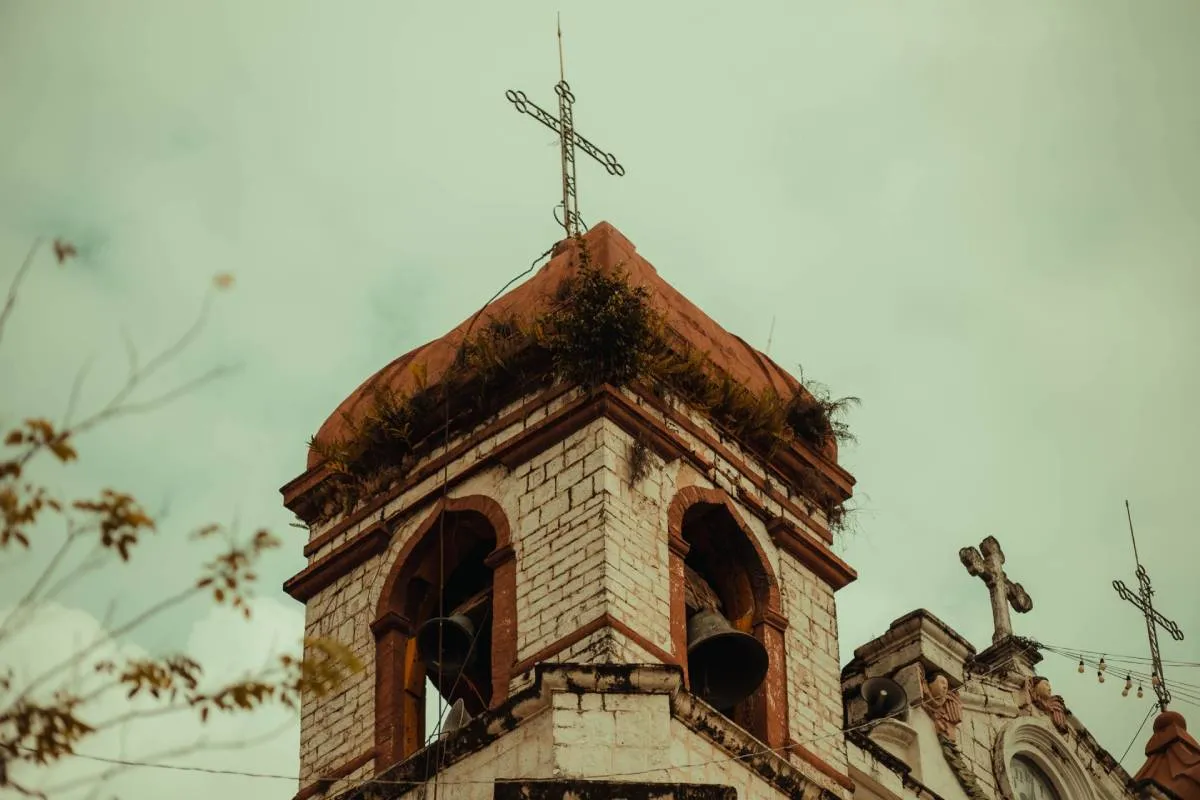
The Parish Church of St. Catherine of Alexandria stands as Carcar’s most magnificent colonial structure and the spiritual heart of the city. Built during the Spanish colonial period and completed in the early 1800s, this baroque church showcases impressive coral stone construction, thick walls that have withstood centuries of typhoons and earthquakes, and a distinctive bell tower that rises majestically above the town plaza. The church’s interior features beautiful retablos (altar pieces), antique religious statues, and intricate ceiling paintings that reflect the artistic traditions of Spanish colonial Catholicism. Visitors are welcome to enter respectfully during non-mass hours to admire the architecture and peaceful ambiance.
Carcar City Museum
Housed in the beautifully restored former municipal dispensary, the Carcar City Museum offers visitors an excellent introduction to the city’s history and heritage. The building itself is a fine example of American colonial architecture, featuring distinctive wide windows and a graceful verandah. Inside, exhibits showcase artifacts from different periods of Carcar’s history, including pre-colonial tools, Spanish colonial religious items, photographs of ancestral houses, traditional costumes, and displays about local industries like shoe-making and food production. The museum is typically open during business hours on weekdays and is free or requires a minimal entrance fee, making it an accessible starting point for heritage tourists.
Heritage House Tours
Carcar City’s collection of ancestral houses represents one of the finest concentrations of colonial architecture in Cebu province. Three houses in particular stand out as must-visit destinations for architecture and history enthusiasts. Balay na Tisa (House of Tiles) features distinctive tile work and traditional capiz shell windows that create beautiful light patterns inside. Mercado Mansion showcases the lifestyle of wealthy Carcaranon families during the Spanish era with its grand staircase and period furnishings. Silva House demonstrates classic bahay na bato construction with its stone ground floor and wooden upper level. Some houses offer guided tours by appointment, while others can be viewed from the exterior. Always ask permission before photographing or entering private properties, as many ancestral houses remain family residences.
Leon Kilat Monument
The Leon Kilat Monument honors Pantaleon Villegas, better known by his nom de guerre Leon Kilat (Lightning Leon), who played a crucial role in the Philippine Revolution against Spanish colonial rule. This monument commemorates his brief but significant liberation of Cebu City in 1898 and his connection to Carcar, where he sought refuge and support during the revolution. The monument serves as a reminder of Carcar’s participation in the struggle for Philippine independence and provides an opportunity to learn about this important chapter in local and national history.
Theotokos Shrine
The Theotokos Shrine, located in the hills of Carcar’s interior barangays, offers a tranquil spiritual retreat with stunning panoramic views of the surrounding countryside and coastline. This relatively new religious site features a large statue of the Virgin Mary and has become a popular destination for pilgrims and tourists seeking peace, prayer, and spectacular photo opportunities. The shrine’s elevated location provides cool breezes and sweeping vistas that contrast beautifully with the historic town center. Visitors should arrange transportation via habal-habal or tricycle, as the shrine is located outside the town proper.
Guadalupe Mabugnao Mainit Hot Spring National Park
Located in the mountainous western section of Carcar City, the Guadalupe Mabugnao Mainit Hot Spring National Park offers a refreshing natural escape for visitors seeking relaxation and therapeutic bathing. The park features naturally warm mineral-rich waters believed to have healing properties for various ailments. Several pools of varying temperatures accommodate different preferences, from comfortably warm to quite hot. The surrounding forested area provides shade and a peaceful atmosphere perfect for unwinding after exploring the city’s heritage sites. The facility is typically open daily and charges a modest entrance fee.
Heritage Walking Tour of Town Plaza
The area surrounding the town plaza offers the most concentrated collection of heritage structures and provides the perfect route for a self-guided walking tour. Starting from the church, you can explore the surrounding streets where colonial houses line both sides, their weathered facades telling stories of centuries past. The plaza itself serves as the town’s social center where locals gather, especially during evenings and weekends. Walking these streets during early morning or late afternoon provides the best lighting for photography and more comfortable temperatures. Many buildings display small plaques with historical information, helping visitors understand the significance of what they’re viewing.
Visit Public Market
The Carcar Public Market buzzes with energy and represents the authentic heartbeat of daily life in the city. This is where Carcaranons shop for fresh produce, meat, fish, and, most importantly for visitors, the city’s famous culinary products. The market is the best place to purchase freshly made chicharon, still warm and incredibly crispy, as well as ampao (puffed rice sweets), bucarillo (coconut candies), and other local delicacies. Several lechon vendors also operate from the market, preparing their roasted pigs using traditional methods and the distinctive patiotes herb. Visiting the market provides cultural immersion and excellent opportunities to interact with friendly vendors while shopping for authentic pasalubong (gifts/souvenirs).
Acacia Trees in Perrelos
The stretch of giant acacia trees lining the road in Barangay Perrelos creates a stunning natural tunnel that has become one of Carcar’s most photographed locations. These massive, centuries-old trees form a verdant canopy over the road, providing shade and a magical atmosphere that transports visitors into what feels like an enchanted forest. The dappled sunlight filtering through the leaves creates beautiful patterns, making this an ideal spot for photography, particularly during golden hour. The trees stand as natural heritage alongside Carcar’s built heritage, and local conservation efforts aim to preserve these magnificent specimens for future generations.
Where to Eat in Carcar
Lechon & Local Delicacies
Carcar has earned its reputation as one of Cebu’s premier destinations for lechon, with many Cebuanos considering Carcar lechon superior even to the famous Talisay varieties. What makes Carcar lechon unique is the use of patiotes, a local herb with a distinctive flavor that permeates the meat during roasting. This herb, combined with traditional roasting methods over open coals, creates incredibly flavorful and aromatic lechon with crispy skin and tender, juicy meat. Multiple vendors at the Carcar Public Market offer freshly roasted lechon daily, typically available from late morning through afternoon. Visitors can purchase by the kilo or order whole pigs with advance notice for special occasions.
Beyond lechon, Carcar is equally famous for its chicharon, which locals and food enthusiasts consider among the best in the Philippines. Carcar chicharon is extraordinarily crispy, light, and addictive, with several shops near the market specializing in this delicacy. The chicharon comes in various forms, including bituka (intestines), cadios (skin), and other cuts, each with its own texture and flavor profile. These make excellent pasalubong and can be vacuum-sealed for travelers.
Carcar also produces exceptional traditional Filipino sweets that reflect the city’s Spanish colonial heritage. Ampao, made from puffed rice mixed with caramelized sugar or syrup, comes in white or brown varieties and provides a light, crunchy snack. Bucarillo features shredded young coconut cooked in sugar, creating a chewy, intensely coconut-flavored candy. Other local sweets include torta (a type of cake), rosquillos (flower-shaped butter cookies), and various kakanin (rice cakes). These delicacies can be found at the public market and specialized shops throughout the town center.
Restaurants & Cafes
Dianne’s Seafood House has established itself as Carcar’s premier destination for fresh seafood and Filipino cuisine served in generous portions at reasonable prices. Located along the national highway, this restaurant features an extensive menu of grilled, fried, and steamed seafood options, along with traditional Filipino dishes and their signature preparations. The casual, family-friendly atmosphere and consistently good food make it popular with both locals and tourists, especially during lunch and dinner hours on weekends.
Dave’s Pizza brings quality pizza and Italian-inspired dishes to Carcar City, offering a welcome alternative to traditional Filipino fare for those craving something different. This casual dining spot serves various pizza flavors with quality ingredients and generous toppings, along with pasta dishes, appetizers, and other Italian-American favorites. The restaurant provides a comfortable, air-conditioned space perfect for families and groups looking to escape the heat while enjoying good food.
Don Macchiatos serves as Carcar’s answer to modern coffee culture, offering quality coffee drinks, refreshing beverages, and light meals in a contemporary cafe setting. This establishment has become popular among young professionals, students, and visitors looking for a comfortable space to work, meet friends, or simply enjoy a good cup of coffee. Beyond beverages, they offer sandwiches, pasta, and other cafe fare that provides lighter options compared to traditional Filipino meals.
Sip Ma Chá Tea House specializes in milk tea and other trendy beverages that have become increasingly popular throughout the Philippines. This modern tea shop caters to younger demographics and visitors seeking refreshing drinks in various flavors and styles, from classic milk tea to fruit-based concoctions. The shop provides a casual, Instagram-worthy space where customers can relax while enjoying their drinks.
Boba Buttea contributes to Carcar’s growing milk tea scene with its own selection of bubble tea drinks and other trendy beverages. The shop appeals to younger visitors and residents who have embraced the milk tea phenomenon that has swept through Philippine cities. Various flavors, toppings, and customization options allow customers to create their preferred drink combinations.
Pabukid’s Milktciti Drink and Dine offers a unique combination of dining and beverage service in a charming setting that reflects its name’s rural connotations. This establishment provides Filipino meals alongside their specialty drinks, creating a versatile dining option for visitors. The atmosphere evokes provincial charm while serving modern food and beverage preferences, bridging traditional and contemporary culinary cultures.
Where to Stay in Carcar
Sundaze Farm provides visitors with an agritourism experience that combines comfortable accommodations with exposure to farm life and natural surroundings. Located in Carcar’s more rural areas, this property offers a peaceful escape from urban environments while maintaining reasonable proximity to the city’s heritage attractions. Guests can enjoy fresh air, open spaces, and farm-to-table dining experiences that showcase local produce and traditional cooking methods. This accommodation suits nature lovers, families, and travelers seeking authentic provincial experiences beyond standard hotel stays.
Villa Luz by the Sea capitalizes on Carcar’s coastal location to provide beachfront or near-beach accommodations for visitors who want to combine heritage tourism with beach relaxation. This property typically offers rooms with sea views, easy beach access, and amenities suited for both leisure travelers and families. The location allows guests to spend mornings exploring Carcar’s historical sites before retreating to the beach for afternoon swimming and sunset watching. This makes it ideal for travelers wanting diverse experiences within one destination.
Carcar Eco Farm Resorts emphasizes sustainable tourism and environmental consciousness while providing comfortable lodging in a farm setting. This type of accommodation appeals to eco-conscious travelers interested in responsible tourism, farm activities, and learning about sustainable agricultural practices. The resort typically features natural surroundings, organic food options, and recreational activities that connect guests with nature and local farming culture. It’s well-suited for families, educational groups, and travelers seeking meaningful experiences beyond conventional sightseeing.
Porferia Event Center functions primarily as a venue for weddings, conferences, and special events but also offers accommodations for guests attending functions or travelers seeking a more upscale lodging option in Carcar. The facility typically features well-maintained grounds, event halls, and comfortable rooms with modern amenities. Its location and facilities make it suitable for business travelers, wedding guests, and tourists who prefer more conventional hotel-style accommodations while exploring Carcar’s attractions.
Blueridges Mountain Resort provides mountain-based accommodations with cooler temperatures, panoramic views, and a tranquil atmosphere away from the coastal and town areas. Located in Carcar’s elevated interior regions, this resort offers guests a refreshing alternative to beach or town-center lodging. The mountain setting provides opportunities for hiking, nature observation, and simply enjoying fresh mountain air while still being accessible to Carcar’s main attractions. This accommodation suits couples seeking romantic getaways, families wanting nature-based activities, and travelers who prefer cooler climates.
Shopping & Local Products
Carcar proudly holds the title “Shoe Capital of Cebu,” with a shoe-making tradition dating back decades that continues to thrive today. Several shoe shops throughout the city, particularly along the main streets near the public market, offer locally manufactured footwear at prices significantly lower than commercial brands. These shops produce both casual and formal shoes using traditional craftsmanship methods, and many offer custom sizing and designs. Purchasing locally made shoes directly supports Carcar’s artisan community while securing quality footwear at reasonable prices. Visitors should allocate time to browse different shops, as styles, quality, and prices vary among manufacturers.
When it comes to pasalubong (gifts or souvenirs brought back for family and friends), Carcar offers some of the most sought-after food products in Cebu. Chicharon tops the list as the most popular take-home item, with its exceptional crispness and flavor making it a favorite throughout the Philippines. Ampao, bucarillo, and other traditional sweets provide lighter, less perishable alternatives that travel well. Many visitors also purchase whole lechon or portions to bring back to Cebu City or other destinations, though this requires proper packaging and relatively quick transport to maintain freshness.
The Carcar Public Market serves as the primary shopping destination for local products, fresh produce, and daily necessities. Beyond the famous lechon and chicharon, the market offers fresh fruits, vegetables, fish, meat, and other food items sourced from Carcar and surrounding agricultural areas. The market experience itself provides cultural value, allowing visitors to observe daily Filipino market life and interact with vendors. Early morning visits, typically from 6:00 to 9:00 AM, offer the best selection and freshest products.
For those seeking other souvenirs, some shops near the town plaza and heritage district sell locally made handicrafts, religious items related to St. Catherine of Alexandria, and heritage-themed merchandise. While Carcar isn’t primarily known as a handicraft center, these items provide alternatives to food products for visitors wanting tangible mementos of their visit to the Heritage City of Cebu.
Best Time to Visit
The optimal time to visit Carcar City aligns with the Philippines’ dry season, which typically runs from December through May. During these months, visitors can expect minimal rainfall, abundant sunshine, and more comfortable conditions for walking tours, outdoor photography, and exploring both the heritage district and natural attractions. The dry season ensures that streets remain passable, outdoor activities proceed without weather interruptions, and the overall travel experience remains pleasant. March through May tend to be the hottest months, with temperatures often exceeding 32°C (90°F), so visitors during this period should prepare for heat and sun exposure.
The Kabkaban Festival, celebrated annually on November 24-25, represents the best cultural time to visit Carcar City. This festival celebrates the city’s patron saint, St. Catherine of Alexandria, and showcases Carcar’s heritage through street dancing, cultural performances, and various festivities. The name “Kabkaban” derives from the old name of Carcar and reflects the community’s pride in its history and identity. Visitors during the festival witness the city at its most vibrant, with locals dressed in traditional costumes, streets decorated colorfully, and special activities highlighting local culture, cuisine, and crafts. However, expect larger crowds and potentially limited accommodation availability during this peak period.
For travelers seeking to avoid crowds while still enjoying good weather, the months of January and February offer an excellent compromise. The weather remains predominantly dry and pleasant, tourist numbers stay moderate, and accommodation prices may be more negotiable than during peak periods. This timing allows for comfortable exploration of Carcar’s attractions without the heat intensity of April and May or the rain likelihood of the wet season.
Practical Tips for Visitors
Cash is king in Carcar City. While the city has modernized considerably, ATMs remain limited, and many establishments, particularly small restaurants, shops, and market vendors, operate on a cash-only basis. Visitors should withdraw sufficient cash before leaving Cebu City or use one of the few ATMs available in Carcar’s town center. Credit cards are generally accepted only at larger restaurants and resorts. Bringing enough Philippine pesos ensures smooth transactions throughout your visit and prevents the inconvenience of searching for ATMs or dealing with card payment issues.
Comfortable walking shoes are essential for exploring Carcar’s heritage district, as the best way to appreciate the colonial architecture involves walking through the town center’s streets and alleys. Some areas feature uneven surfaces, cobblestones, or older pavement that may be challenging in fashionable footwear or flip-flops. Good walking shoes provide comfort during extended exploration and prevent foot fatigue or injury. If planning to visit mountain resorts or hot springs, consider bringing waterproof footwear or extra shoes.
Plan your visit for morning through afternoon hours to make the most of Carcar’s attractions and activities. Most heritage sites, the museum, and shops operate during standard business hours, typically from morning until mid-afternoon. The public market buzzes with activity from early morning until noon, with the freshest products and widest selection available before 10:00 AM. Lechon is typically available from late morning through early afternoon when it’s freshest and most vendors have stock. Many restaurants close or have reduced hours in the evening, and the town center becomes quite quiet after sunset.
Sampling local delicacies is mandatory, not optional. Carcar’s culinary heritage represents a core part of its identity and appeal, and visitors should embrace the opportunity to taste authentic Carcar lechon, chicharon, and traditional sweets. Don’t hesitate to ask vendors for small samples before purchasing, as this is normal practice in Philippine markets. Be adventurous with food choices, but also be mindful of your tolerance for rich or unfamiliar foods, particularly if you have a sensitive stomach.
Respect heritage sites and private properties by asking permission before entering buildings or taking close-up photographs, especially of ancestral houses that remain private residences. While Carcaranons generally welcome visitors and take pride in their heritage, privacy and property rights must be respected. When visiting the church or religious sites, dress modestly, keep voices low, and observe proper etiquette. This respectful approach ensures positive interactions with locals and helps maintain the community’s willingness to share their heritage with visitors.
Bring a camera or ensure your smartphone is fully charged and has storage space for the numerous photo opportunities Carcar offers. The colonial architecture, colorful market scenes, and natural attractions provide excellent subjects for photography. Early morning and late afternoon provide the best natural lighting for architectural photography, creating dramatic shadows and warm tones that enhance historic buildings’ character. The acacia trees in Perrelos are particularly photogenic during golden hour just before sunset.