- Cebu province passes 8,800 dengue cases this year; Carcar has 206 and no deaths so far
- Dalaguete vegetable farmers store water as they brace for El Niño
- Fuel prices fall for a third straight week
- Cebu City rates its own tourism readiness 4 out of 10
Cebu province passes 8,800 dengue cases this year; Carcar has 206 and no deaths so far
The Cebu Provincial Health Office counted 8,882 dengue cases in the province from 1 January to 20 November, and November is the worst month yet with 2,114 cases in its first 20 days. The two reports on the figures put the year's deaths at 58 and 59. Carcar recorded 206 cases and no deaths, one of 24 towns and cities with no dengue deaths this year. Talisay City has the most cases at 1,008. Provincial hospitals are treating dengue, flu and other illnesses beyond their capacity. Region-wide, the Department of Health in Central Visayas counts 21,357 cases and 119 deaths to 14 November.
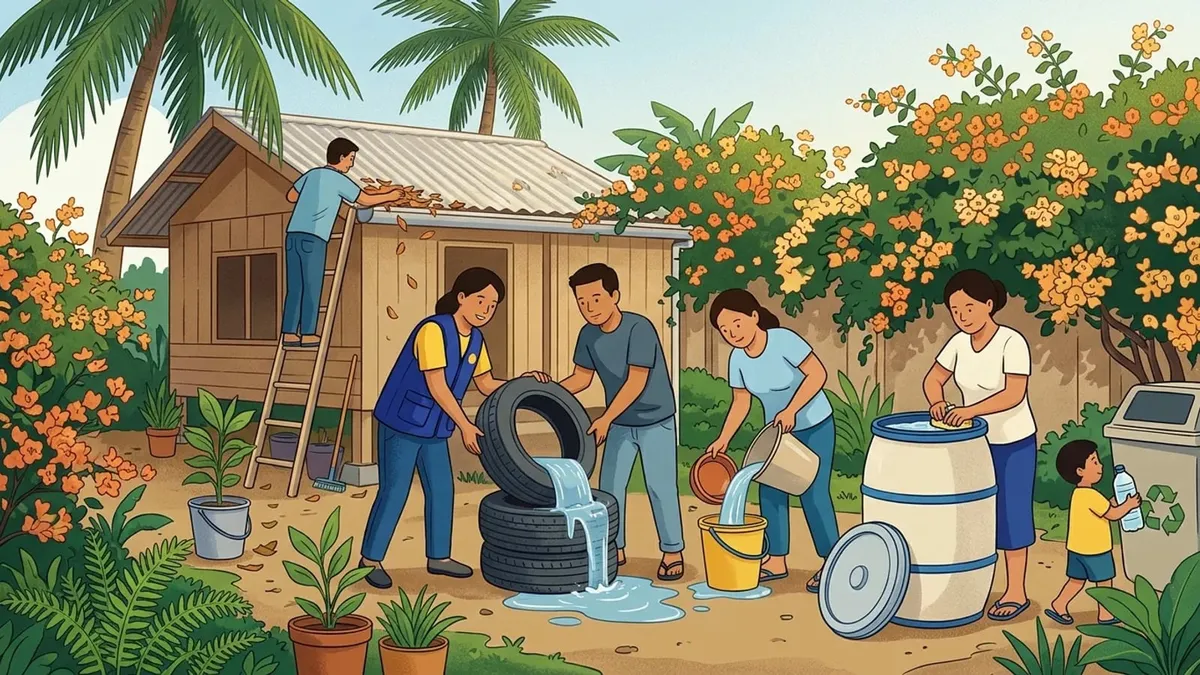
Cases are rising, not falling, and children aged 6 to 10 make up the largest group of patients. Once a week, empty or cover water containers, old tires, plant saucers and roof gutters around your home. Misting only kills adult mosquitoes, so the cleanup is what stops them breeding. If someone in the family has a fever for two days, go to the barangay health center or a doctor instead of treating it at home, since flu and dengue start the same way.
Sources: The Freeman, Astig.ph
Dalaguete vegetable farmers store water as they brace for El Niño
In Sitio Timbaon, Barangay Ablayan, in the Dalaguete highlands, farmers and households draw underground water with their own pumps and long hoses, some running a kilometer, because no water system reaches many of their farms and homes. At least 50 pumps tap the same source for irrigation, drinking water and mixing fertilizer. With a strong El Niño forecast, some farmers have started filling barrels in case the source runs low, and residents are asking for a shared community water system, since running the pumps costs money for gasoline and repairs.
Dalaguete's highlands send vegetables to markets across Cebu, so a long dry spell there can push up vegetable prices here. Carcar farmers and households on wells can start storing water now, but keep stored water covered so it does not breed dengue mosquitoes.
Source: SunStar
Fuel prices fall for a third straight week
From 6 a.m. on Tuesday, 24 November, gasoline is down 3.00 pesos a liter, diesel 2.60 pesos and kerosene 1.60 pesos, under the Department of Energy's computation and the advisories of Petron, Shell, Seaoil and other oil firms. It is the third weekly rollback in a row, and the new prices are expected to hold until 30 November. The Energy Secretary credited more supply from the Middle East and from producers outside OPEC, and weaker demand. Even after the cuts, pump prices are still far higher than at the start of the year.
Check that your station has passed on the full cut: the DOE flagged 114 stations that did not fully pass on the 10 November rollback. Jeepney, tricycle and truck operators who buy diesel daily get the most relief this week.
Sources: GMA News, Daily Tribune, Astig.ph
Cebu City rates its own tourism readiness 4 out of 10
Participants at the Cebu City Tourism Summit on 20 November rated the city government's tourism performance 4 out of 10, and private tourism businesses 6 out of 10. They pointed to litter around the heritage sites, too few public restrooms, little tourist parking, beggars near the attractions, and no walkable route linking Fort San Pedro, Magellan's Cross, the Basilica and Pari-an. Mayor Nestor Archival ordered cleanups, weekend inspections and the opening of the Legislative Building restrooms to visitors, and asked the city's tourism commission for a 2027 roadmap before he raises its budget.
Sources: SunStar, The Freeman